
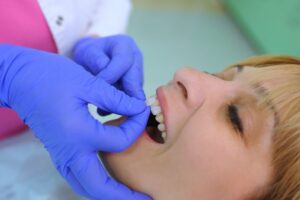
If you’re considering veneers to enhance your smile, you may be wondering whether your diet will need to change. The good news is that veneers are designed to function like natural teeth, so you can continue enjoying most of your favorite foods. However, there are a few temporary and long-term considerations to keep your veneers looking and functioning their best.
Short-Term Diet Changes After Placement
Right after getting veneers, your teeth and gums may feel slightly sensitive. During this adjustment period—typically a few days—your dentist may recommend sticking to softer foods.
Foods like yogurt, mashed potatoes, eggs, smoothies, and pasta are gentle on your teeth and help minimize discomfort. It’s also a good idea to avoid extremely hot or cold foods until any sensitivity subsides.
Additionally, you may want to avoid hard or crunchy foods immediately after placement to allow your veneers to fully settle and bond securely.
Returning to a Normal Diet
Once your mouth has adjusted, you can go back to eating most of the foods you enjoy. Veneers are durable and designed to handle normal chewing and biting forces.
That said, it’s still wise to be mindful of very hard foods. Biting into items like ice, hard candy, or unpopped popcorn kernels can potentially damage veneers, just as they can harm natural teeth. Cutting tougher foods into smaller pieces can help reduce unnecessary pressure.
Foods and Drinks to Be Mindful Of
While veneers are stain-resistant—especially porcelain veneers—they are not completely stain-proof. To maintain a bright smile, it’s a good idea to limit foods and drinks that can cause discoloration over time.
Coffee, tea, red wine, and dark-colored sauces can gradually affect the appearance of your veneers, particularly at the edges where they meet your natural teeth. If you do consume these items, rinsing your mouth with water afterward can help minimize staining.
Maintaining Good Oral Habits
Your diet plays a role in the longevity of your veneers, but so do your daily habits. Brushing twice a day, flossing regularly, and visiting your dentist for routine checkups are essential for keeping both your veneers and natural teeth in great shape.
Avoid using your teeth as tools to open packages or bite nails, as this can damage your veneers.
Getting veneers doesn’t mean giving up the foods you love. After a brief adjustment period, most patients return to their normal diet with just a few mindful habits in place. By avoiding excessively hard foods, being aware of staining substances, and maintaining good oral hygiene, you can enjoy a wide variety of foods while keeping your veneers looking beautiful for years to come.
About the Author
Dr. Bo Tran earned his dental degree from Midwestern University Glendale Campus. He worked as a dental lab technician before becoming a dentist, and his familiarity with this aspect enables him to deliver a level of customization not possible in other offices. He also has his certification in clear aligners, has taken advanced courses on cosmetic dentistry and root canal treatment, and is a member of the Arizona Dental Association. If you’re interested in a glow-up for your smile with veneers, book online with us or call our Phoenix office at (602) 944-7199.