
When you have a dental problem, it can be tempting to focus only on the symptom. Maybe your jaw hurts, you grind your teeth at night, or certain teeth seem to wear down faster than others. While treating those symptoms can provide relief, it’s also important to ask an even bigger question: could an underlying bite or alignment issue be contributing to the problem?
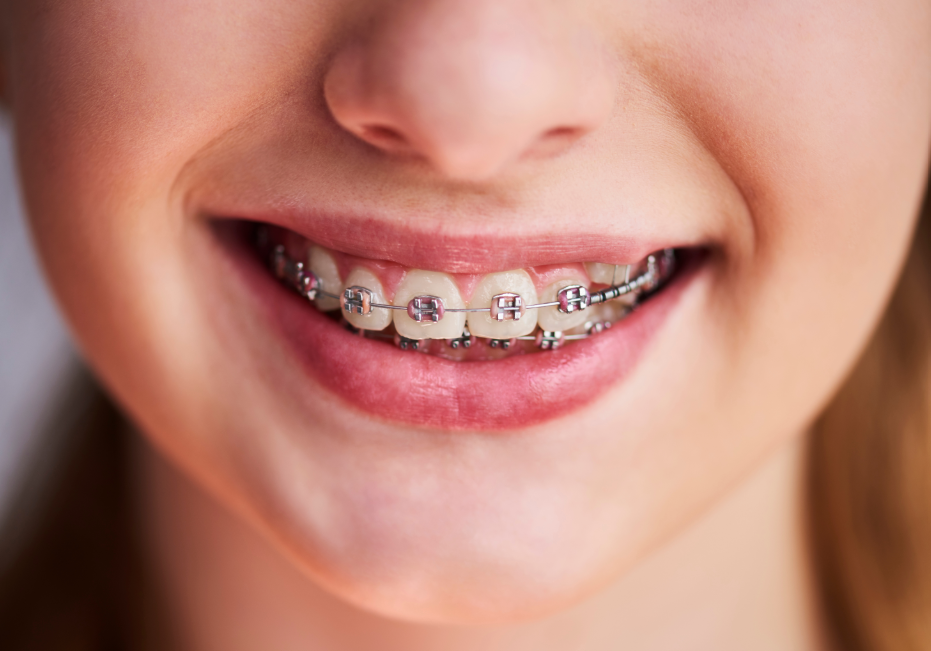
Orthodontics does more than straighten teeth for a more uniform smile. By improving the alignment of your teeth and bite, orthodontic treatment can sometimes address contributing factors behind certain oral health concerns.
How Bite Alignment Affects Oral Health
Your upper and lower teeth are designed to work together when you chew, speak, and rest your jaw. When teeth or jaws are misaligned, certain areas may experience more pressure than others.
An uneven bite can make it harder to clean between teeth, contribute to uneven tooth wear, and place additional stress on the muscles and joints involved in chewing. Over time, these problems may affect your comfort and overall oral health.
That’s why evaluating your bite can be an important part of understanding certain recurring dental concerns.
Orthodontics and TMJ Discomfort
The temporomandibular joints, or TMJs, connect your jawbone to your skull and help your jaw move. Problems involving these joints can cause symptoms such as jaw discomfort, clicking or popping, headaches, and difficulty opening or closing your mouth.
Bite alignment is one factor that may be associated with jaw discomfort, although TMJ problems can have many different causes. Orthodontic treatment may be considered when tooth or bite misalignment is contributing to the way your jaw functions.
If you experience persistent jaw symptoms, a thorough evaluation can help determine whether orthodontic care may be appropriate.
Breaking the Bruxism Cycle
Bruxism, or habitual teeth grinding and clenching, can cause significant wear and tear on your teeth. It may also contribute to jaw soreness and headaches.
There are many potential causes of bruxism, including stress, sleep-related factors, and bite-related issues. Orthodontics cannot necessarily eliminate grinding, but correcting significant tooth or bite misalignment may help create a healthier relationship between the upper and lower teeth.
Identifying contributing factors is especially important when you find yourself repeatedly treating the effects of grinding without addressing what may be happening underneath.
Easier Cleaning and Healthier Teeth
Crowded or overlapping teeth can create areas that are difficult to reach with a toothbrush or floss. Unfortunately, plaque can take advantage of those hard-to-clean spaces.
Straightening crowded teeth can make your oral hygiene routine more manageable. Better alignment may also help distribute biting forces more evenly and reduce excessive wear on individual teeth.
Of course, orthodontic treatment works alongside—not instead of—regular brushing, flossing, and professional dental care.
Look Beyond the Immediate Symptom
If you repeatedly experience dental problems, it may be worth taking a step back and considering whether a structural issue is contributing to them. Orthodontic treatment isn’t the solution for every case of TMJ discomfort, bruxism, or tooth wear, but evaluating your bite can be an important part of finding the right approach.
Addressing the underlying cause can help you move toward lasting oral health rather than simply managing the same symptoms again and again.
About the Practice
Metro Refresh Dental provides comprehensive dental care, including orthodontic treatment designed to improve the alignment and function of your teeth. The practice takes a patient-focused approach to identifying oral health concerns and developing treatment plans tailored to individual needs. Dr. Tran specializes in orthodontic treatment that supports overall oral health and wellness.
Call us at (602) 944-7199 or schedule your appointment online.