
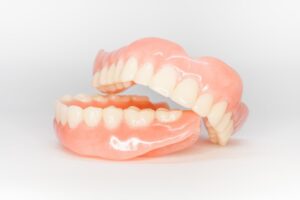
Dentures have helped people restore their smiles for centuries, but they have come a long way from their early beginnings. Thanks to advances in dental materials, technology, and treatment techniques, today’s dentures are more comfortable, functional, and natural-looking than ever before. If you wear dentures or are considering them as a tooth replacement option, it’s fascinating to see just how much they have evolved over time.
Dentures Have Ancient Origins
The earliest dentures date back thousands of years. Ancient civilizations used materials such as carved animal teeth, human teeth, ivory, and even seashells to replace missing teeth. While these early restorations helped improve appearance, they were often uncomfortable, difficult to wear, and lacked the stability needed for everyday activities like eating and speaking.
As dental knowledge advanced, denture designs gradually became more refined, although they still fell short of the comfort and aesthetics patients expect today.
Modern Materials Have Improved Comfort
One of the biggest milestones in the evolution of dentures was the introduction of acrylic resin in the 20th century. Acrylic made dentures lighter, stronger, and more affordable than earlier versions made from porcelain or metal.
Today’s denture materials are even more advanced. Modern acrylics and high-quality composite teeth are designed to closely mimic the appearance of natural gums and teeth. They are durable, stain-resistant, and customized to complement each patient’s facial features, resulting in a smile that looks both attractive and natural.
Digital Technology Has Changed the Process
Advancements in digital dentistry have transformed how dentures are designed and fabricated. Many dental practices now use digital impressions instead of traditional putty molds, making the process more comfortable for patients.
Computer-aided design and manufacturing (CAD/CAM) technology allows dentists and dental laboratories to create highly precise dentures that offer an improved fit and more predictable results. Better-fitting dentures often require fewer adjustments and provide greater comfort during daily use.
Implant-Supported Dentures Offer Even Greater Stability
Perhaps the most significant advancement in denture treatment has been the development of implant-supported dentures. Unlike traditional dentures that rest on the gums, implant dentures attach securely to dental implants placed in the jawbone.
This added stability reduces slipping while eating and speaking, improves chewing ability, and helps stimulate the jawbone to slow the bone loss that naturally occurs after tooth loss. For many patients, implant-supported dentures provide a more secure and natural-feeling alternative to conventional removable dentures.
Dentures have evolved from simple tooth replacements into highly customized restorations that restore both function and confidence. Whether you choose traditional dentures or implant-supported options, today’s technology offers solutions that are more comfortable, lifelike, and durable than ever before.
About the Author
Dr. Bo Tran earned his dental degree from the Midwestern University Glendale Campus. He worked as a dental lab technician before becoming a dentist, enabling him to offer customization not possible at other practices. Dr. Tran is certified in clear aligner treatment, has taken advanced courses in cosmetic dentistry and root canal therapy, and maintains membership in the Arizona Dental Association. If you’re interested in restoring your smile with dentures, book an appointment online or call (602) 944-7199.